
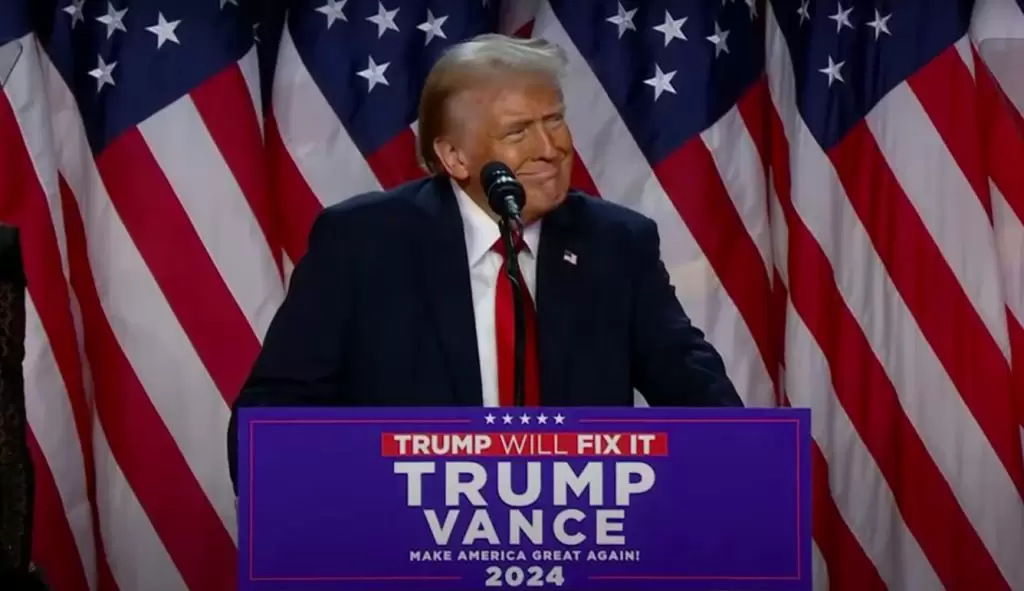
The 2024 U.S. presidential election result has sparked a wave of outrage from some leftists, including college professors, after Donald Trump secured a landslide victory. In a shocking display of emotional reactions, a number of individuals have publicly shared their breakdowns on social media, highlighting how the election result left them deeply distressed.
The fallout has not been limited to ordinary citizens. A series of posts on the popular account Libs of TikTok shared alarming examples of college professors who canceled their classes, citing emotional distress after Trump’s win. One such incident came from Matthew Zundel, a professor at Miami University, who teaches courses in “queer studies.”
“For many of us, this election may make us feel too heavy to go on with daily life today, and if you feel to be a part of that group, then please stay at home and care for yourself,” Zundel wrote in an email to students. His message came with an implied suggestion that the election result was too much to bear for those affected.
This trend of emotional breakdowns was not confined to just one institution. Michigan State University also saw a public display of dissatisfaction from students. Following Trump’s victory, a group of students staged a walkout in protest, signaling a collective refusal to accept the outcome of the election.
Many of these left-leaning individuals had been led to believe by Democratic politicians and their mainstream media allies that Trump was a fascist or even compared to Hitler. With the election result, it appears that the years of inflammatory rhetoric have taken a toll on their mental stability, with many unable to process the reality of Trump’s return to office.
In a broader context, the reaction from these leftists showcases the deep division that continues to grow in American society. While some choose to accept the democratic process, others find themselves paralyzed by anger and disbelief, struggling to reconcile with the result.
The display of emotional responses has been widely shared and ridiculed online. Social media users have mocked the breakdowns, adding to the perception that many left-wing individuals are unable to cope with political defeat. Critics argue that these reactions reflect a deeper issue within the leftist political spectrum, where emotions are often amplified and reality distorted by years of polarizing narratives.
For the broader American public, the aftermath of Trump’s victory reveals just how powerful and pervasive media and political messaging can be. It’s clear that many on the left, particularly in academia, have struggled to cope with the result of a democratic election, leading to unprecedented outbursts. Whether these emotional reactions will subside with time remains to be seen, but for now, they offer a glimpse into the intense polarization that has defined U.S. politics in recent years.