
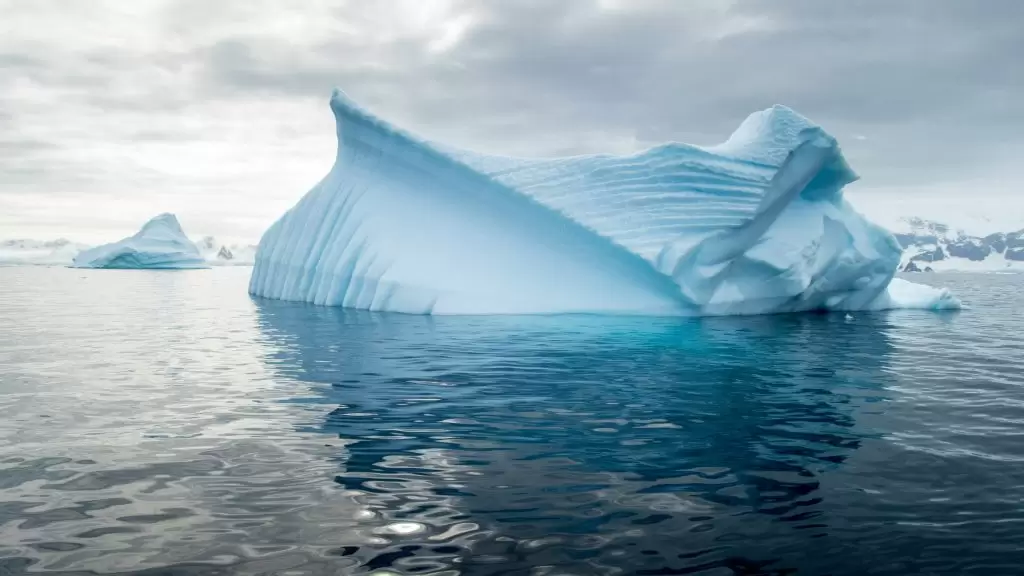
A new study has cast doubt on the narrative of unstoppable global warming, revealing a dramatic temperature plunge in Antarctica, reports
Chris Morrison, Daily Sceptic’s Environment Editor. According to research published in Nature Journal, scientists discovered that summer temperatures in Antarctica dropped by 1°C from 1979 to 1999. Since then, they have remained largely unchanged.
This study, led by Korean polar scientists, raises important questions about the long-standing belief in consistent global warming. The findings are at odds with the prevailing narrative of rapid temperature increases across the planet, fueling skepticism among those questioning the causes of climate change.
The research includes data from over two million observations, showing a cooling trend of 0.53°C per decade between 1979 and 1999. Since 2000, the cooling has slowed, with temperatures dropping by only 0.004°C per decade. This contrast highlights an unexpected cooling phase during a period of rising carbon dioxide levels in the atmosphere.
Further analysis from the study confirms that Antarctic sea ice has also expanded modestly in recent decades, contradicting claims that global warming is causing catastrophic ice loss. These findings were previously backed by studies from other environmental scientists, including one that tracked Antarctic sea ice growth since the start of satellite monitoring in 1979.
While some climate alarmists focus on localized warming in Western Antarctica, the larger continent continues to experience minimal temperature increases. Interestingly, the region is home to the Thwaites Glacier, often cited in alarmist reports about rising sea levels. However, evidence shows that natural climate influences, such as volcanic activity and geothermal heat, may be driving temperature fluctuations in this region rather than human activity.
Recent discoveries have revealed 138 volcanoes beneath the West Antarctic Ice Sheet, with some reaching altitudes of over 12,000 feet. These volcanoes are believed to have a profound effect on the flow of ice in the region, which could be contributing to local temperature rises and ice movement.
Further complicating the picture, New Zealand scientists have pointed to the persistent ozone hole above Antarctica, which remains as large as ever despite the global ban on chlorofluorocarbons (CFCs) introduced 35 years ago. The opening of the ozone layer, largely influenced by natural processes, has been misinterpreted by some as a sign of global environmental collapse.
The study’s results provide a critical counterpoint to the overwhelming emphasis on human-driven climate change. Researchers suggest that natural climatic influences, such as volcanic activity, the ozone layer, and the polar vortex, are playing significant roles in shaping Antarctic temperatures.